
The impossible meal (2025).
Maya Esslemont, Kimberley Hutchison and Javina Greene
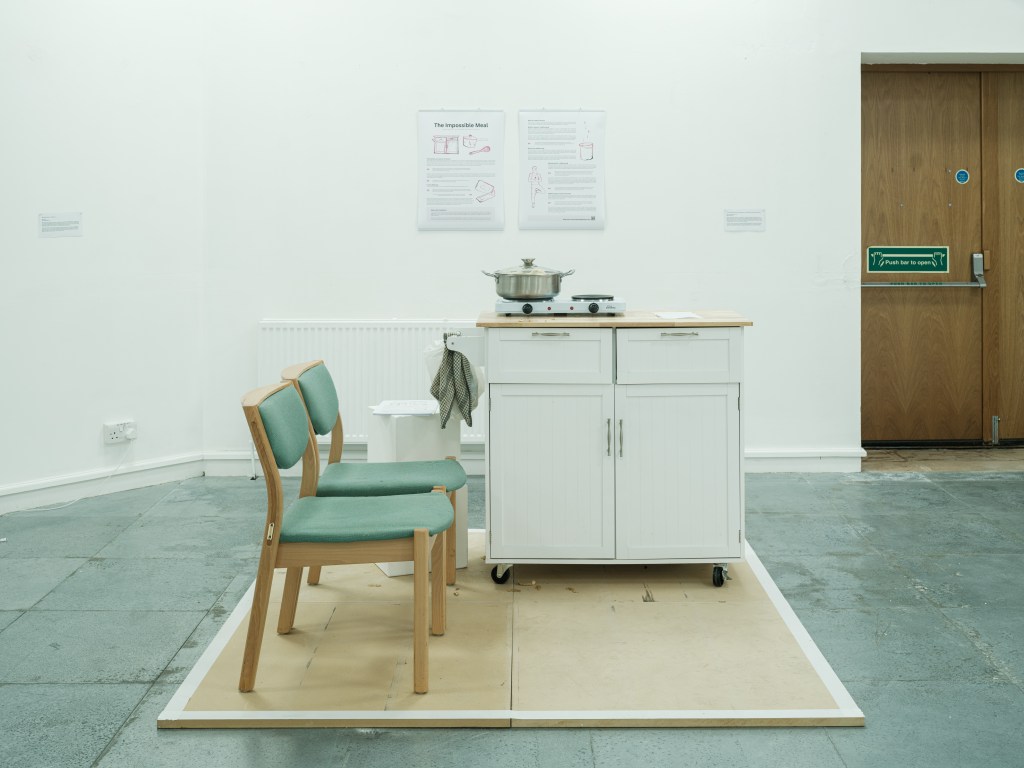
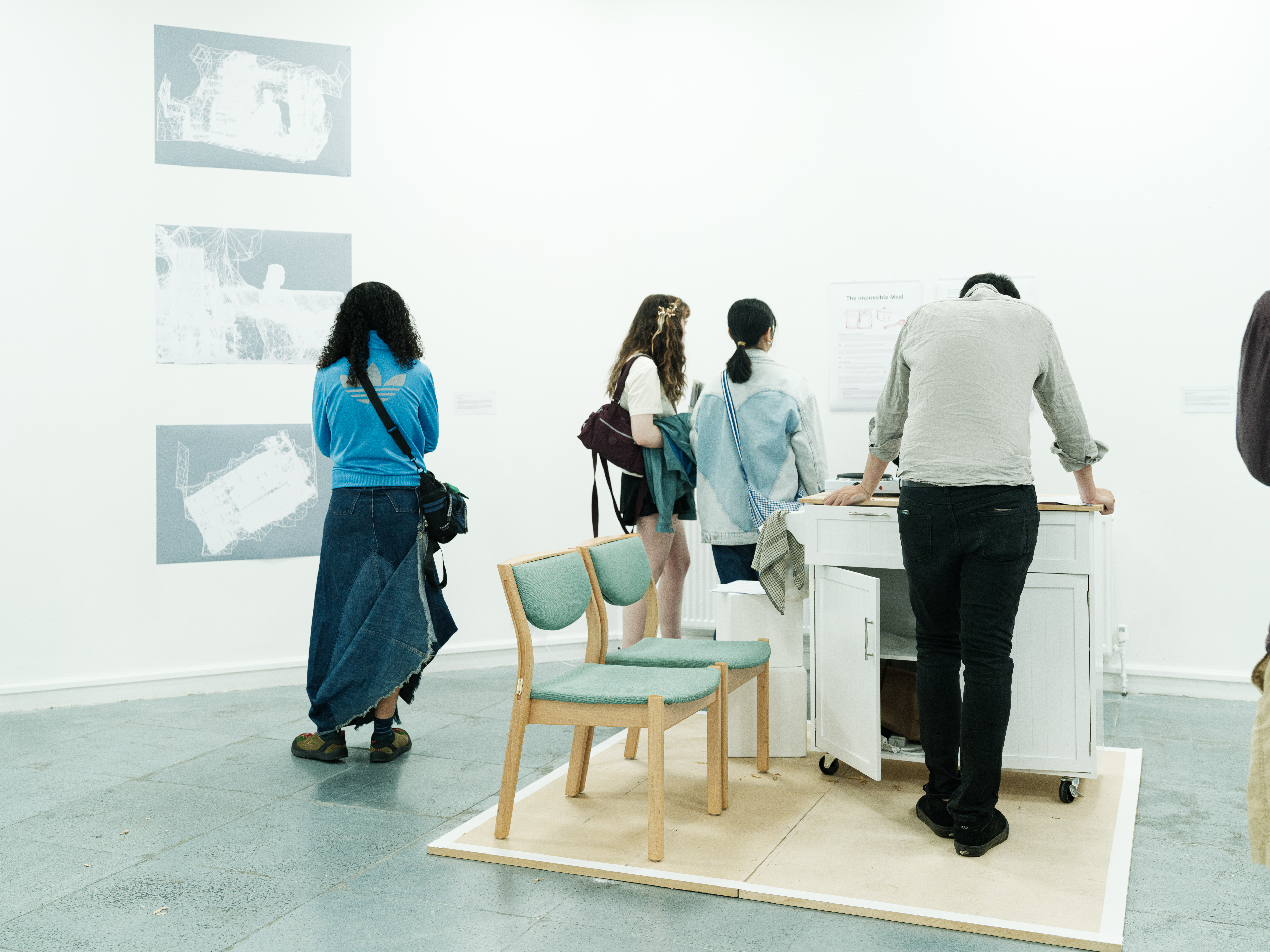
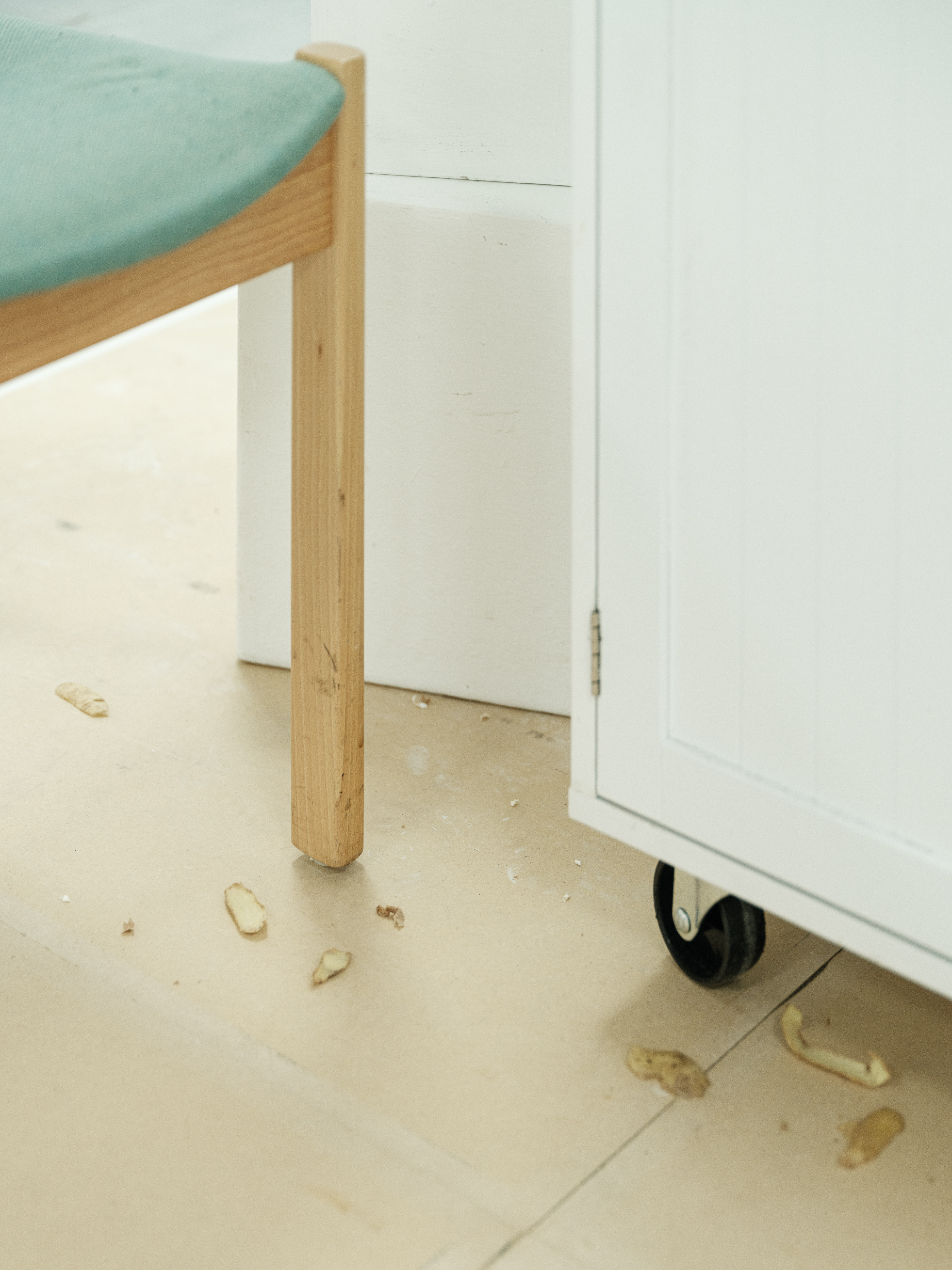
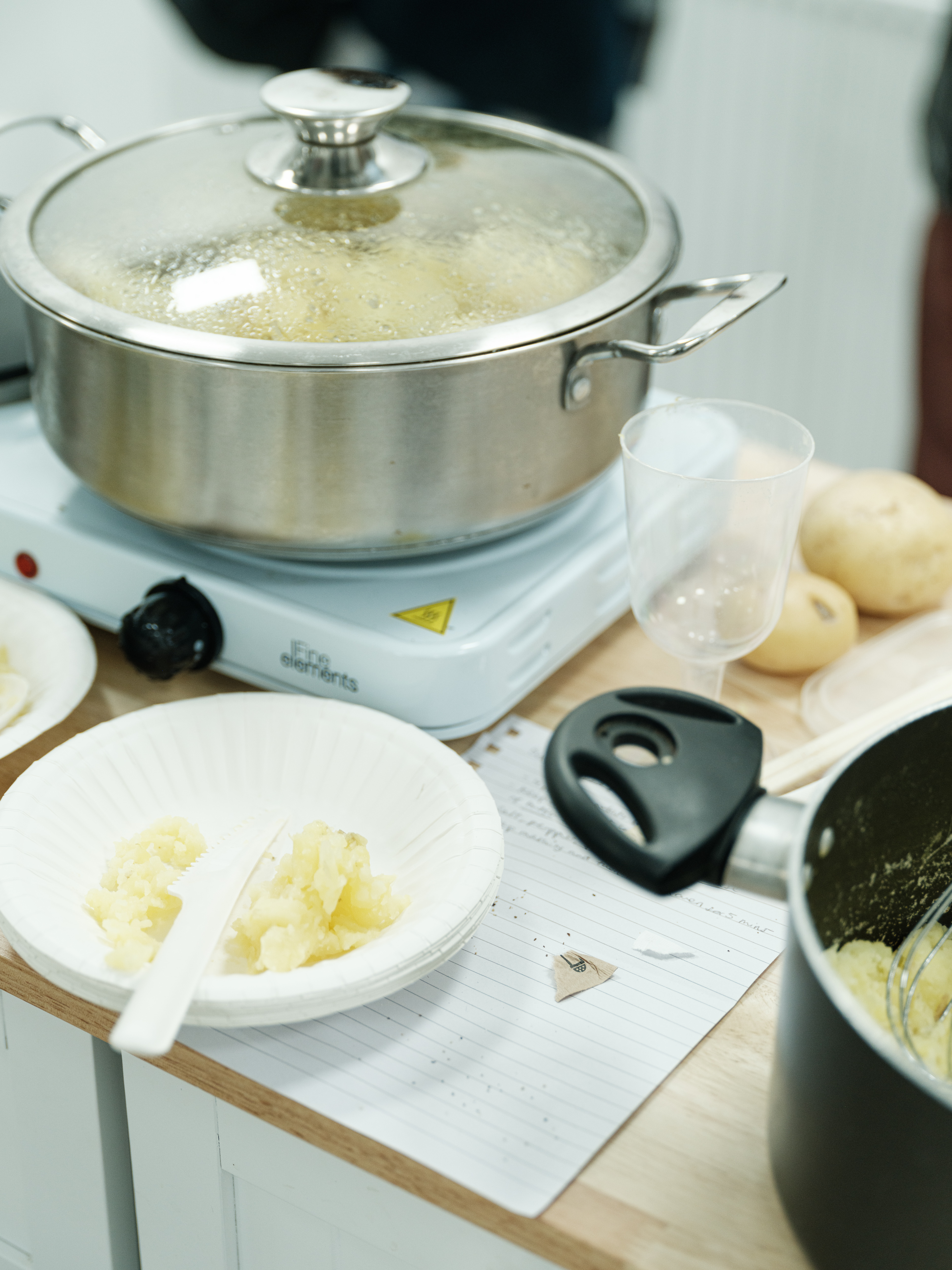
‘The impossible meal’ was a participatory installation exploring spatial injustice and material insecurity within modern slavery safe housing.
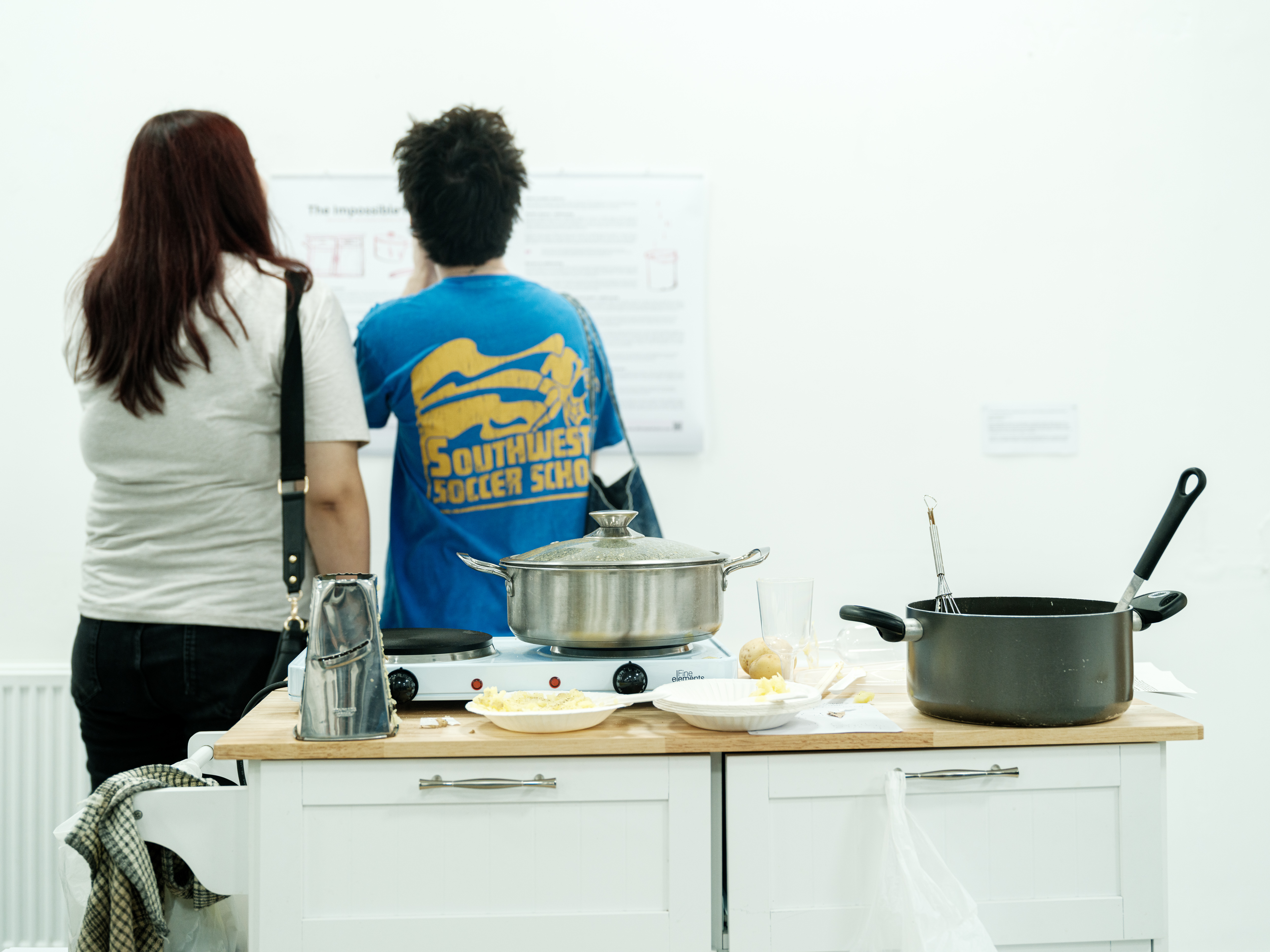
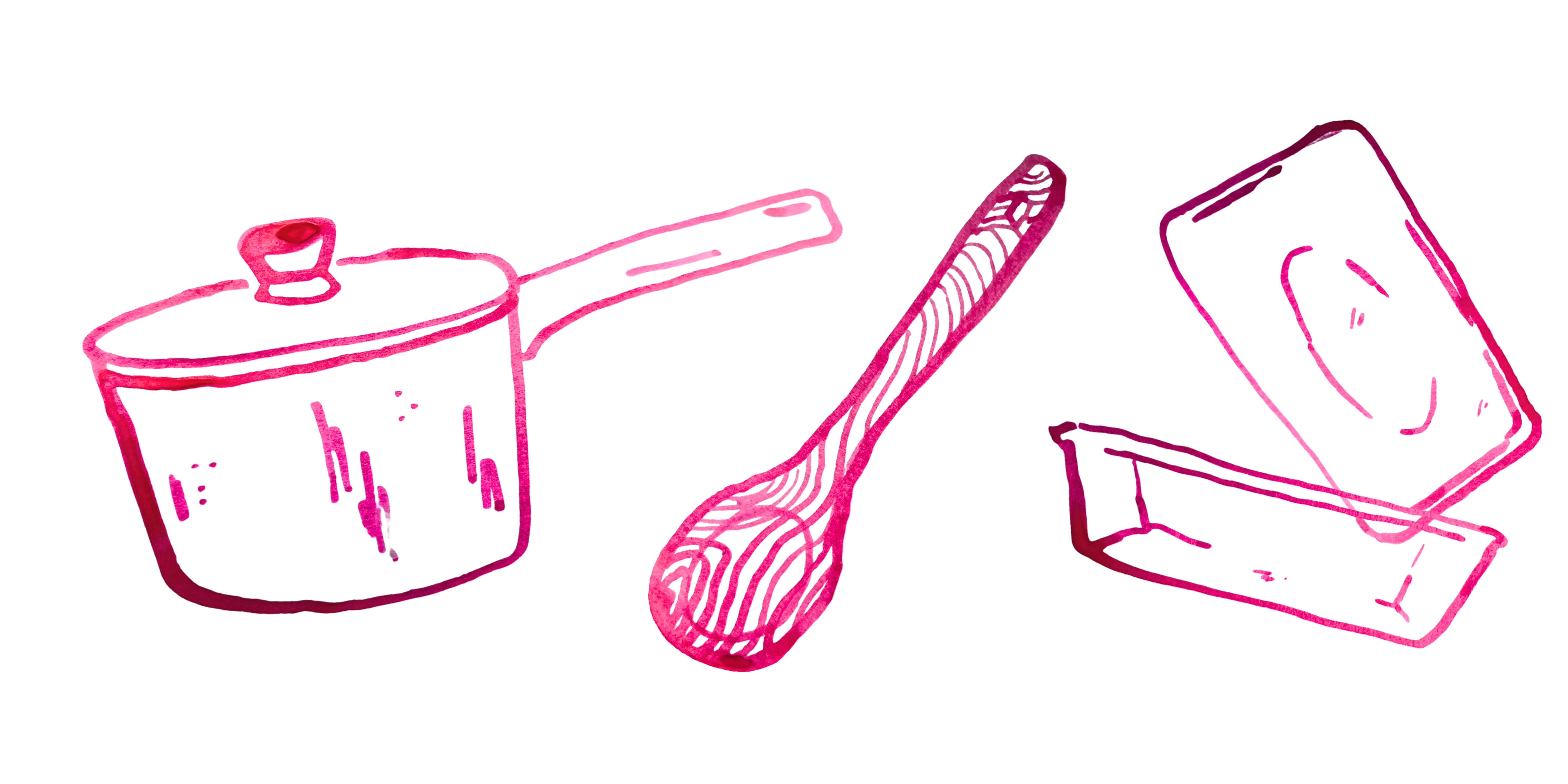
Hosted by The Koppell Project, the work invited visitors to follow a simple and familiar recipe for mashed potatoes without the equipment or ingredients needed. Broken graters, single-use cutlery, party napkins, stolen sachets of salt, pepper and ketchup, paper plates and takeaway lids were provided: objects which experts with lived experience reported having to use in their first night in safe housing.
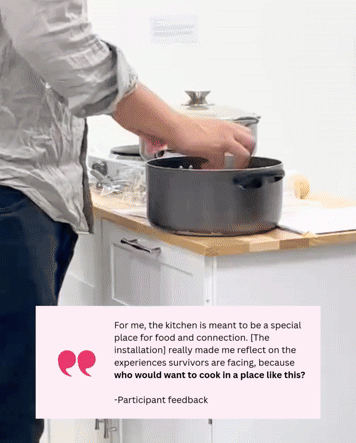
Exhibition-goers responded in varied ways. Some improvised using spoons and cups, sought advice from friends, or abandoned the exercise altogether. Very few felt comfortable eating their creation.
In England and Wales, only 13% referred as survivors of modern slavery of survivors can access safe housing. Yet, the quality of safe housing varies greatly. Survivors reported that some providers meet residents need, whilst others provide almost nothing.
“They gave me old bedding, and it had been used by someone else. It hadn’t been cleaned. I didn’t mind, but they also didn’t offer me a duvet or pillow cover.“
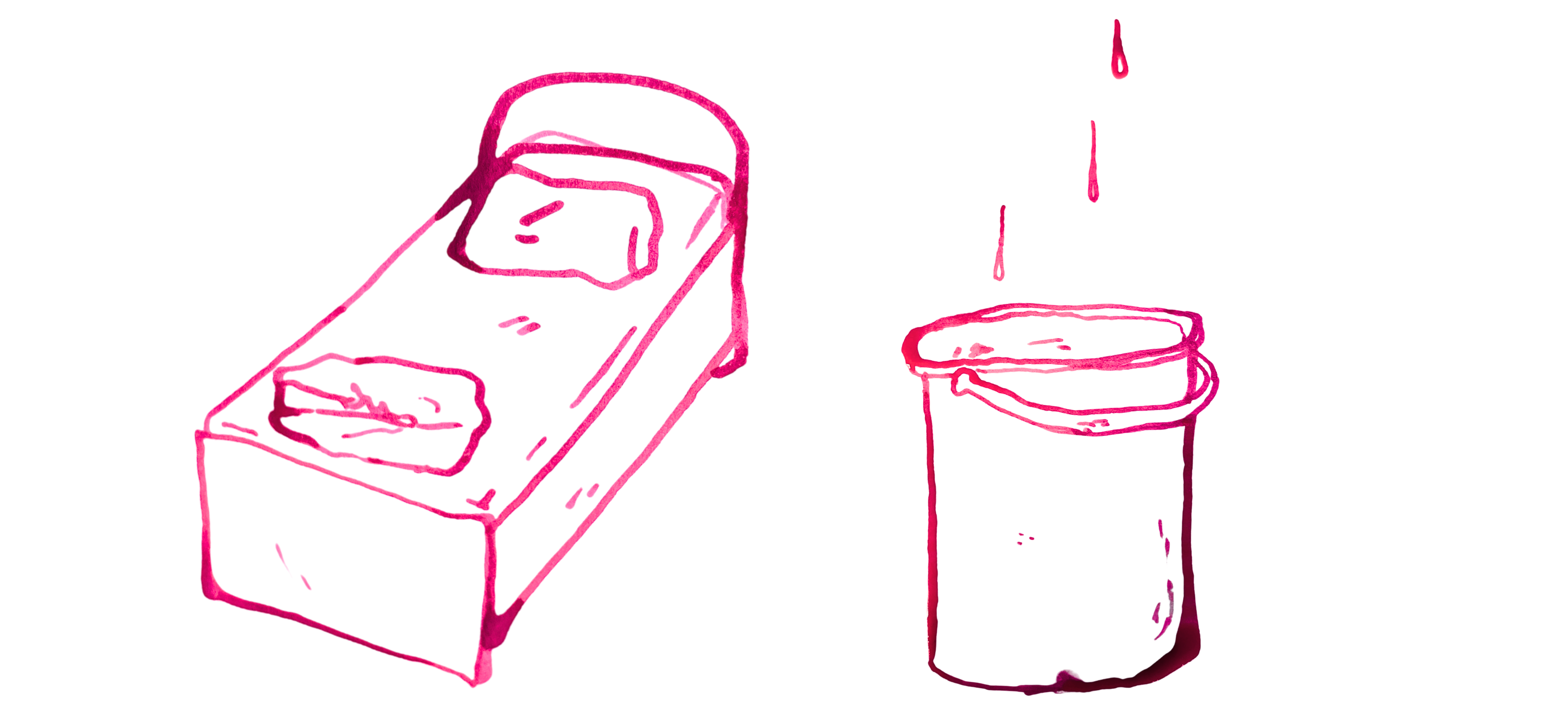
Modern slavery safe housing is inspected by the Care Quality Commission (CQC), but providers cannot be fined. The results of inspections are not made public.
In safe housing, cooking often becomes a source of tension. Multiple survivors report having to save up with others to buy kitchen utensils and cooking pots in order to make meals, as equipment was not provided by the charity. Some survivors reported having to prepare and store food in their bedrooms in order to avoid the communal areas. This was also a way of ensuring food was not stolen by others in the safehouse.
“Staff have the right to look in your room when you’re not there, which they would do because people bought gas stoves to cook in their rooms. Even though we had our own [bed]rooms, you can smell the food through the walls.”
Despite these challenges, interviewees reported gratitude for their time in safe housing. In particular, having well-trained and knowledgeable support workers, services which provided consistent access to goods ‘without playing favourites’ amongst survivors, and those that invested in wellbeing activities within the safehouse were regarded well.
“If you have a support worker who knows what they’re doing, you feel safe. They can guide you, share links, safeguard you. They can invite you out for activities. You are rescued from a terrible situation of trauma and you have a chance to recover.“
Soon, the current government contract for supporting modern slavery survivors will be replaced. However, the new ‘Support for Victims of Modern Slavery’ (SVMS) contract still states that only a select number of survivors deemed as being “at risk of destitution or re-trafficking” will be eligible for safe housing.
 mayaesslemont.co.uk